
Directing
Giuseppe Taffarel
Born 1922-03-01 · Vittorio Veneto, Veneto, Italy
Giuseppe Taffarel was born in Vittorio Veneto (TV) on March 1, 1922, where he died on April 9, 2012, shortly after celebrating his ninetieth birthday. From an early age he showed an innate passion for theater. He was self-taught and read plays with predilection. At the age of 19 he arrived in Rome where he attended the Academy of Dramatic Arts directed by Silvio D'Amico. In 1943 he enlisted in the partisan resistance fought in the Belluno-Treviso Prealps. He distinguished himself for his courage in numerous war actions. In 1946 he returned to Rome, in the golden age of neorealism, frequenting the world of cinema that he found at the Menghi Brothers' trattoria and at the Rosati bar. In the capital, while participating in the writing of numerous screenplays, he began a career as a film actor that saw him act in about twenty films including Achtung! Banditi! by Carlo Lizzani (1951) with Gina Lollobrigida and Giuliano Montaldo. At the end of the 1940s he collaborated with Glauco Pellegrini and Rodolfo Sonego on the making of some documentaries (the most famous are Parliamo del naso, Lezioni di anatomia and L’esperienza del cubismo) and was assistant director on Ceramiche Umbre by Glauco Pellegrini (1949), the first experimental color documentary by Ferraniacolor produced by Lux Film. In 1960 – after having theorized on the birth of the “new documentary cinema” with Michelangelo Antonioni and his friend Vittorio De Seta – he directed his first film La croce shot in Vittorio Veneto and its surroundings. From then until the beginning of the 1980s, he made over three hundred documentaries on different themes and genres: from paleontology to contemporary history, from natural sciences to Italian customs up to the representation of cities and landscapes where the history of art and anthropology are always highlighted. In all of Taffarel’s works, the anthropological/ethnographic gaze flows into the aesthetics of the image, culminating in moments of absolute lyricism and rare audiovisual poetics. The Venetian author’s ability to observe life, grasping the threads that connect the small history of the common man to the great history of humanity, is recognizable in about twenty short films in neorealist style. These documentaries can be considered small pearls in the history of cinema, like the recently restored and digitalized Fazzoletti di terra (1962), L’alpino della Settima (1969) and Via Crucis (1972).
Movies & TV Shows
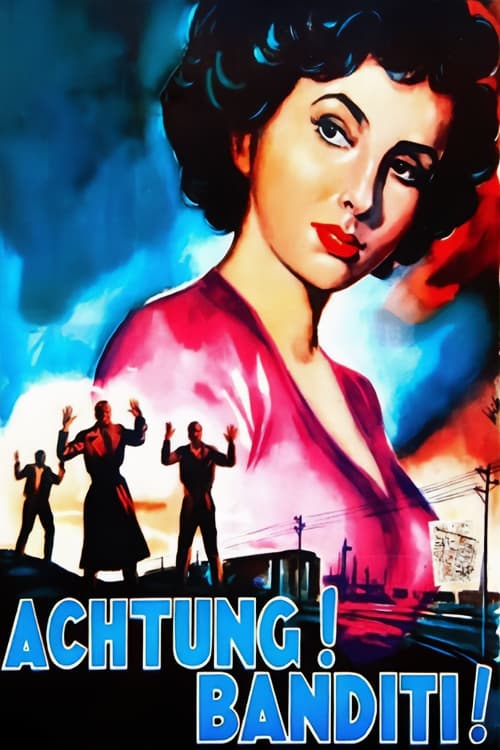
Attention! Bandits!
Movie· 1951· Rating6.1
Vento
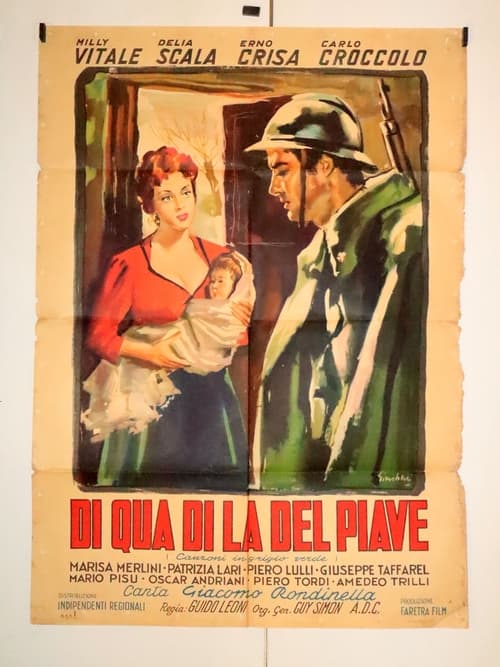
Di qua, di là del Piave
Movie· 1954· Rating7.0
- No artwork
Il sentiero dell'odio
Movie· 1950· Rating10.0
Bastiano
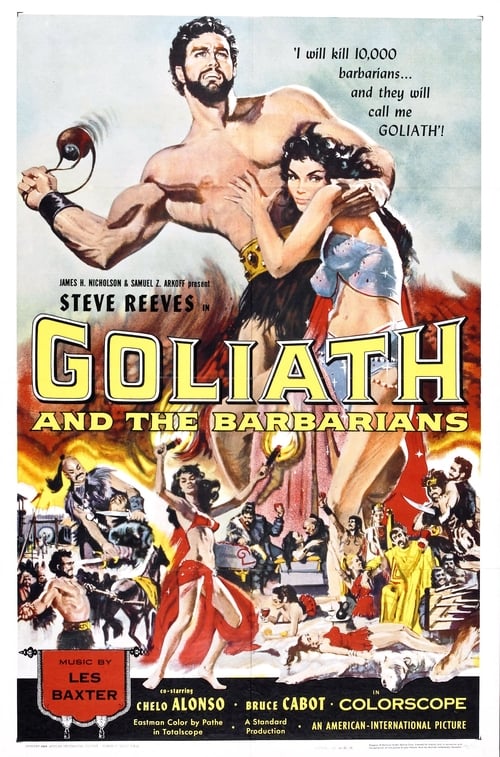
Goliath and the Barbarians
Movie· 1959· Rating4.7
Screenplay
Paese mio covo de' corcali
Movie· 1967
Director
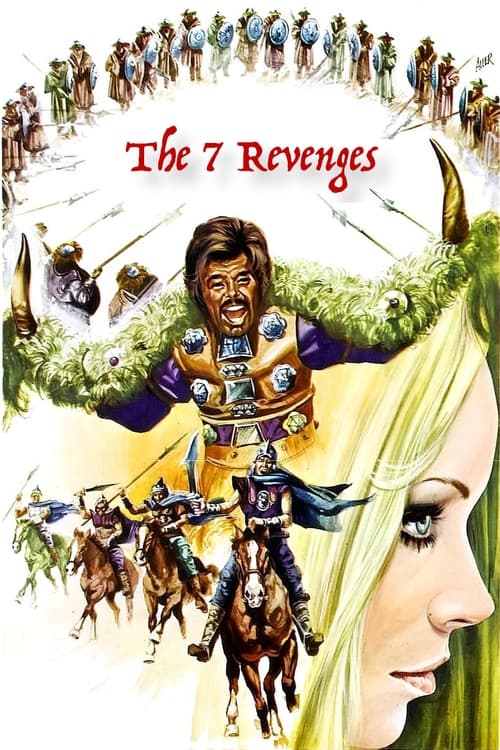
The Seven Revenges
Movie· 1961· Rating6.8
Screenplay
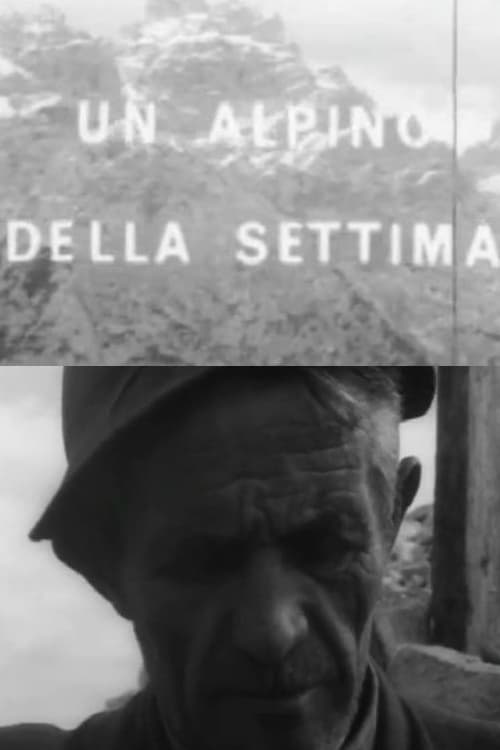
Un alpino della settima
Movie· 1969
Director
Il confino di Cesare Pavese
Movie· 1967
Director
La resistenza nel Trevigiano
Movie· 1968
Director
Un giorno alla settimana
Movie· 1966
Director
Le nerte
Movie· 1962
Director
Il contadino che viene dal mare
Movie· 1967
Director
Impressioni libanesi
Movie· 1964
Director
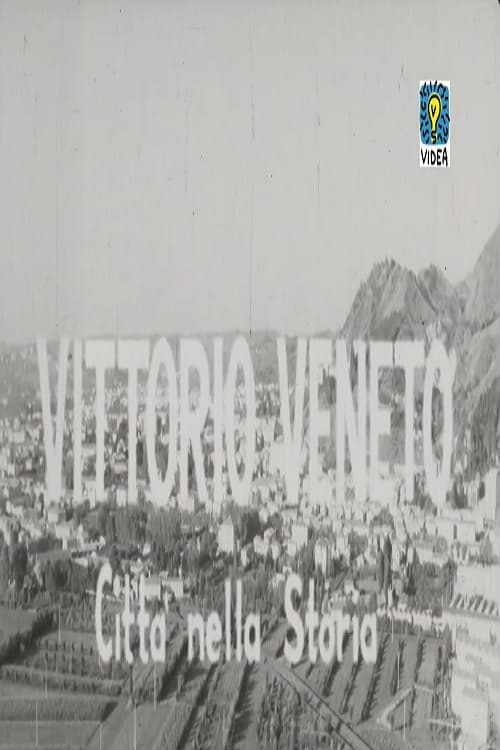
Vittorio Veneto: Città nella storia
Movie· 1968
Director

La croce
Movie· 1960
Director
- No artwork
La maratona delle nevi
Movie· 1970
Director
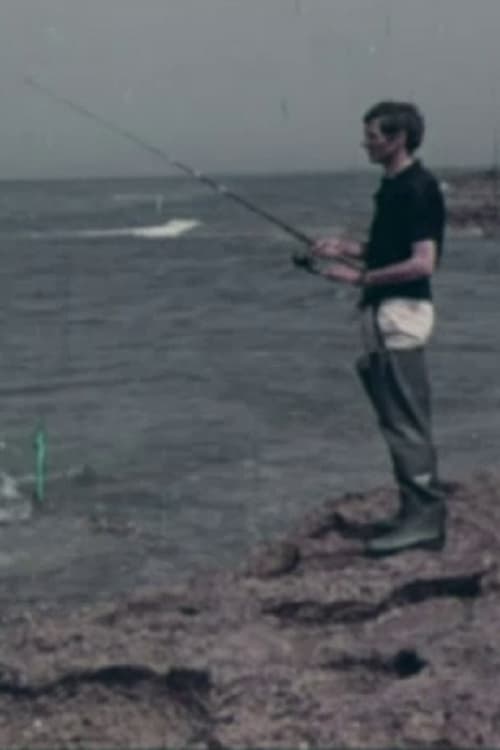
Surf Casting
Movie· 1966
Director
Laguna
Movie· 1968
Director
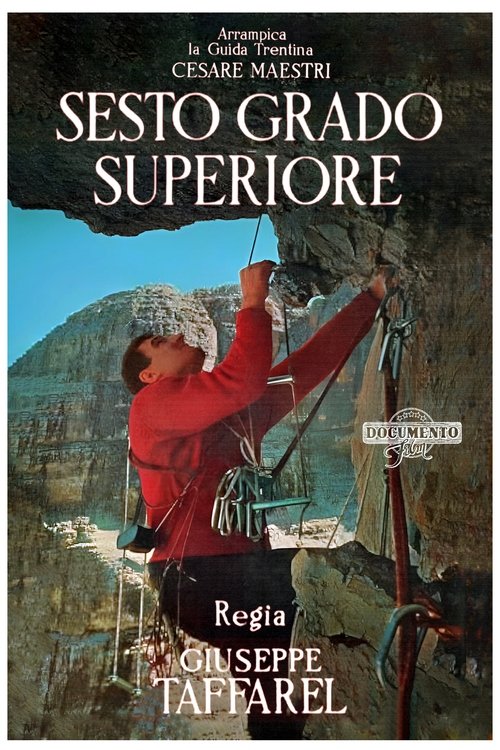
Sesto Grado Superiore
Movie· 1960· Rating10.0
Director
Monte Grappa 1944
Movie· 1966
Director
La montagna del sole
Movie· 1966
Director
Voci
Movie· 1969
Director
Via Crucis
Movie· 1972
Director
Uccellanda
Movie· 1960
Director
Solitudine
Movie· 1966
Director
Caccia col capanno
Movie· 1967
Director
Riviera Mediterraneo est
Movie· 1964
Director
Legna da ardere
Movie· 1969
Director
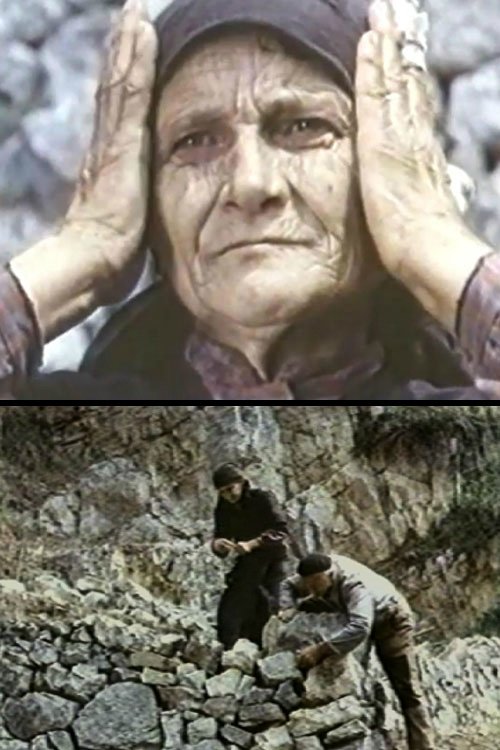
Fazzoletti di terra
Movie· 1963
Director
Uccellagione tradizione antica
Movie· 1967
Director