Directing
Eizo Tanaka
Born 1886-11-03 · Chūō, Tokyo, Japan
Tanaka initially trained as a stage actor in the shingeki movement under Kaoru Osanai, but eventually joined the Nikkatsu film studio in 1917. He debuted as a director in 1918 but mostly had to work with shinpa stories, not the shingeki techniques he was used to although two early films, The Living Corpse (Ikeru shikabane) and The Cherry Orchard (Sakura no sono) were based on Tolstoy and Chekhov respectively.[3] Working in parallel with the Pure Film Movement, Tanaka made two films, Kyōya eirimise (1922) and Dokuro no mai (1923), based on his own screenplays, that were highly praised for their cinematic technique.[1] He remained a rather conservative filmmaker and still used oyama (male actors) in female roles, including in his masterpiece Kyōya eirimise, a melodrama about a merchant's destructive love for a geisha. He used actresses for the first time in Dokuro no mai, a story of a monk reminiscing about his youth and early loves.
Movies & TV Shows
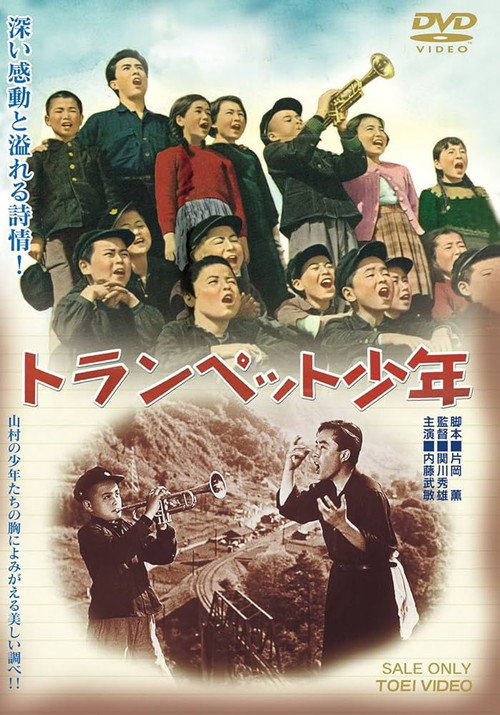
A Trumpet Boy
Movie· 1955

The Wild Geese
Movie· 1953· Rating6.7
Zenkichi
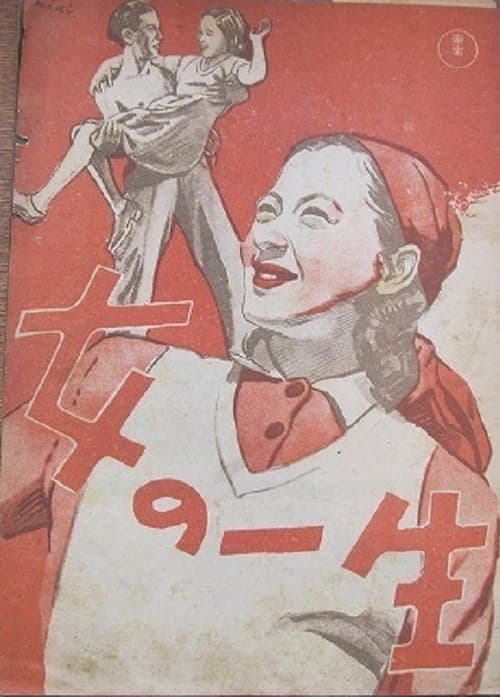
A Woman's Life
Movie· 1949· Rating9.0
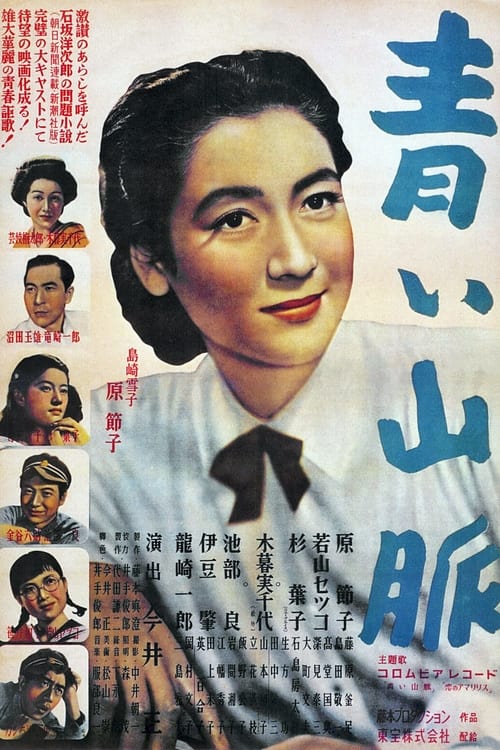
The Blue Mountains: Part I
Movie· 1949· Rating6.4
Principal Takeda
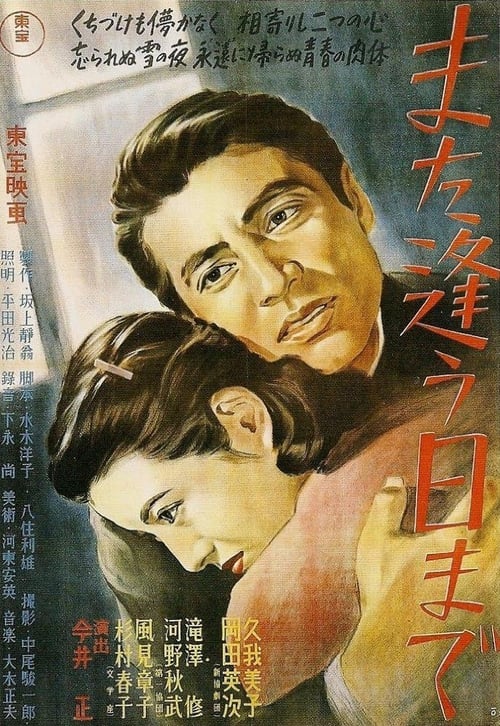
Till We Meet Again
Movie· 1950· Rating6.7
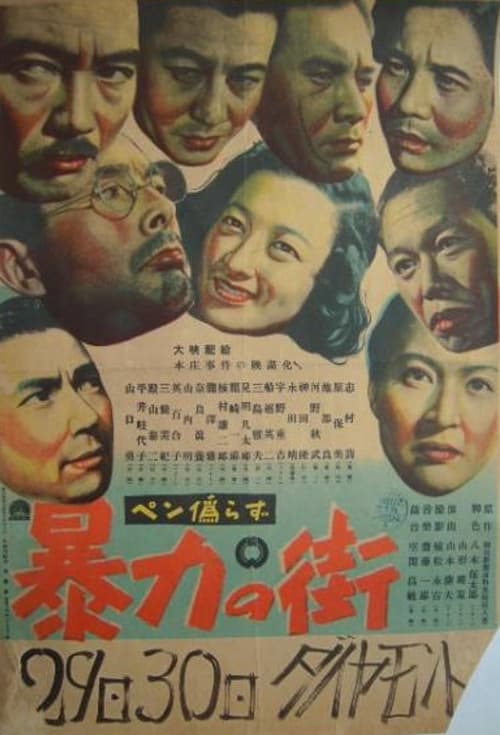
Town of Violence
Movie· 1950· Rating6.5
Hardware dealer
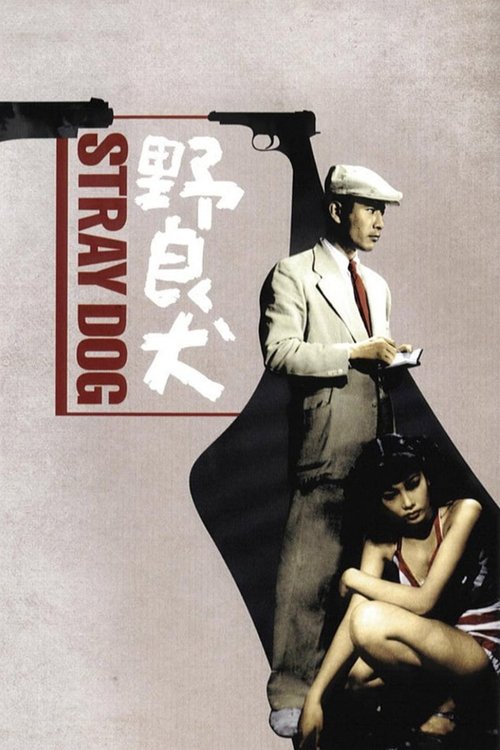
Stray Dog
Movie· 1949· Rating7.6
Old Doctor
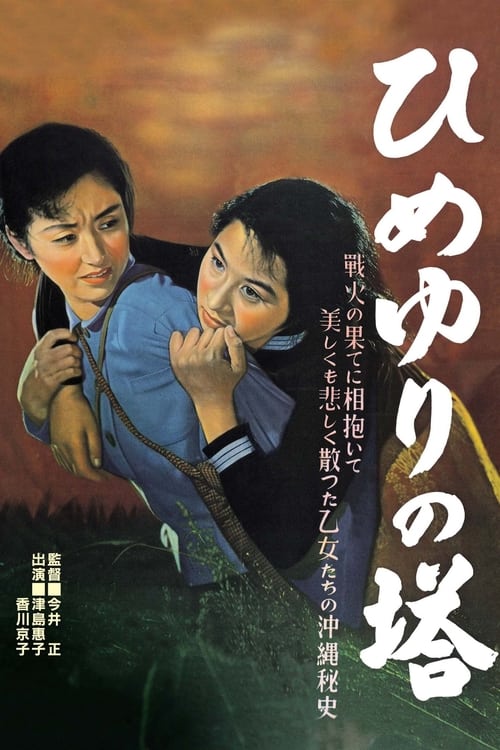
Tower of Lilies
Movie· 1953· Rating6.8
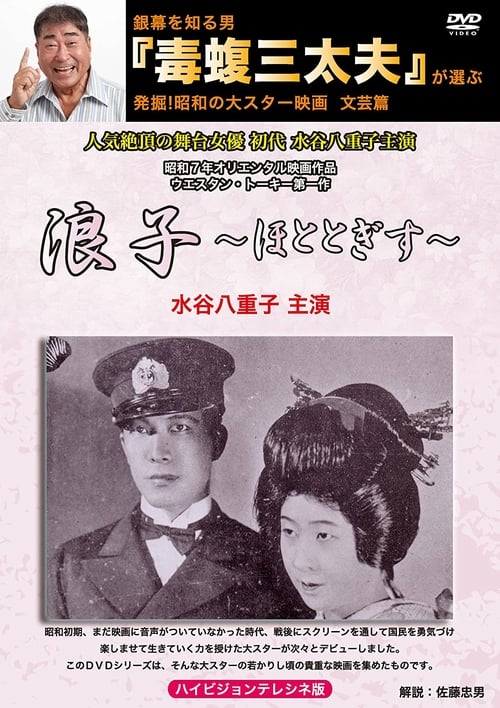
Namiko
Movie· 1932
Director
- No artwork
The Living Corpse
Movie· 1918
Director
- No artwork
Before the Morning Sun Shines
Movie· 1921· Rating1.0
Director
- No artwork
Akatsuki
Movie· 1918
Director
- No artwork
Woman in the Stream
Movie· 1921
Director
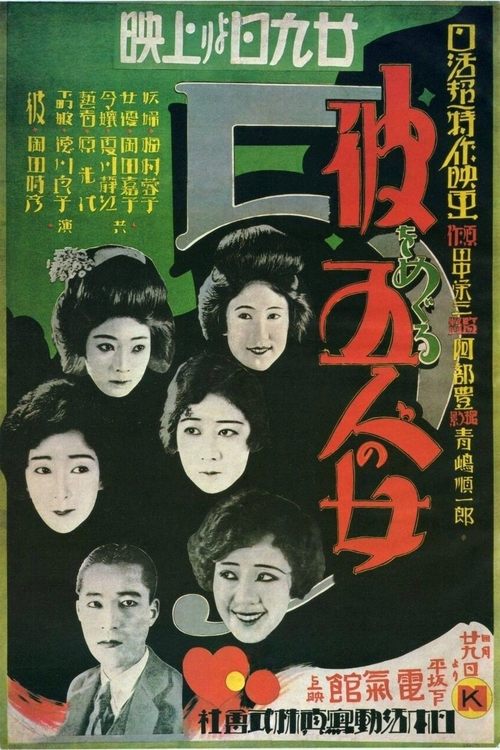
Five Women Around Him
Movie· 1927
Screenplay
- No artwork
Skull Dance
Movie· 1923
Director
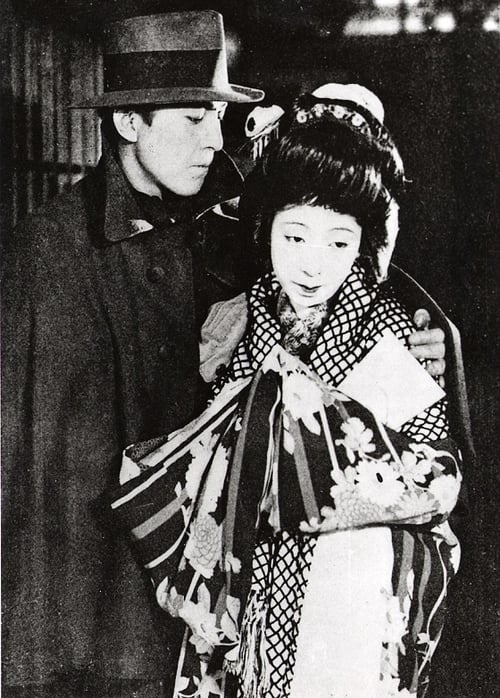
A Paper Doll's Whisper of Spring
Movie· 1926· Rating8.0
Screenplay
- No artwork
The Lapel Shop
Movie· 1922
Director
- No artwork
Scent of the White Lily
Movie· 1921
Director