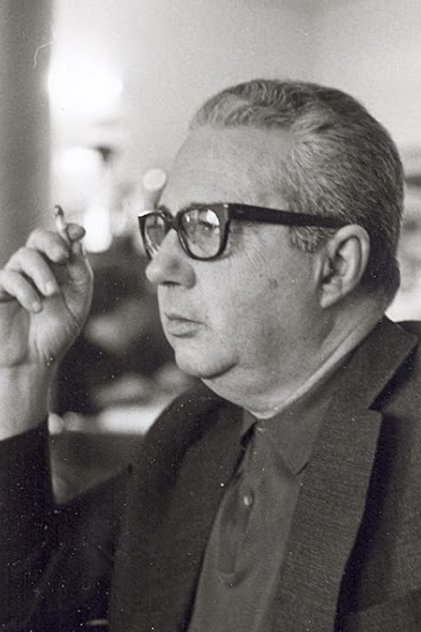
Directing
Manuel Guimarães
Born 1915-08-19 · Valmaior, Albergaria-a-Velha
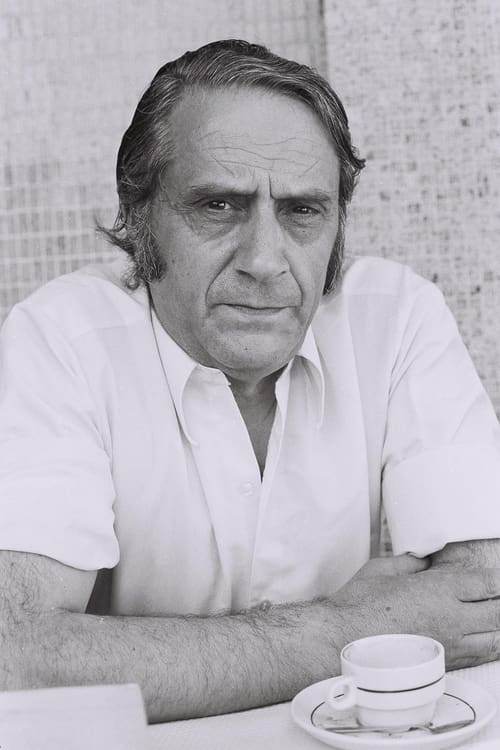
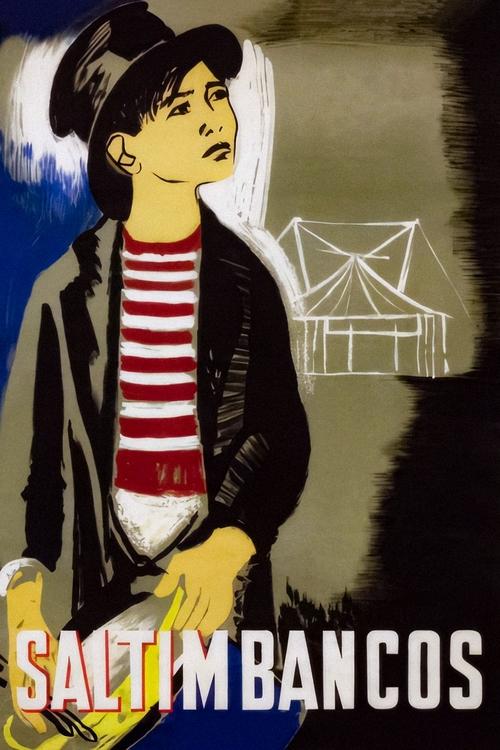
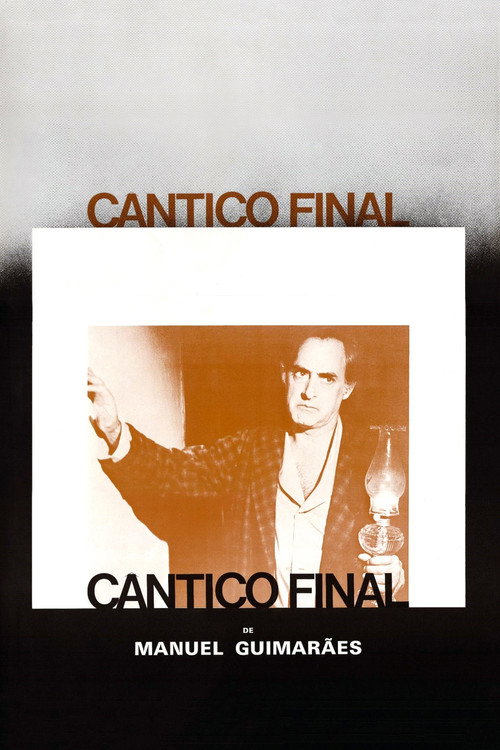
Manuel Guimarães (1915–1975) was a Portuguese filmmaker. In 1931, Guimarães studied painting in the School of Fine Arts in Oporto. He started to work in 1936 as a theater scenographer, illustrator and cartoonist, as well as a film poster designer. He became interested in cinematic art, and started out as assistant of directors as Manoel de Oliveira, António Lopes Ribeiro, Jorge Brum do Canto, Arthur Duarte and Armando de Miranda. In 1949, he directed the short documentary O Desterrado, a film about the life and craft of the Portuguese sculptor Soares dos Reis. Saltimbancos as his first feature-film, which is an adaptation of the novel Circo (Circus) of the writer Leão Penedo. The plot is centered on the life of a small travelling circus. Meanwhile, Guimarães worked in advertising in Metro Goldwyn-Mayer. In 1952, Manuel Guimarães directed Nazaré, whose script was written by the neo-realist writer Alves Redol, portraying the life of the fishermen from Nazaré. The film had several cuts caused by censorship. Vidas Sem Rumo (1956), script by Manuel Guimarães and dialogues by Alves Redol, suffered even worse cuts: about half of the film was cut and entire scenes were removed, becoming an almost unintelligible film. Being constantly attacked by the regime, Guimarães opted to direct more commercial movies about sport events, since 1956. In his attempt to return to fiction, (A Costureirinha da Sé – 1958) Manuel had to accept product placement in the film. His next works were essentially documentaries promoting Portuguese towns and products. António da Cunha Telles, who meanwhile began to produce the first films of the Portuguese Cinema Novo (New Cinema), became interested in him and accepted to do an executive production and co-production of two of his next films: O Crime da Aldeia Velha (1964), an adaptation of a Bernardo Santareno play and O trigo e o Joio (1965) based in the book with the same name, by Fernando Namora, who wrote the script as well. However, the public preferred a different kind of cinema, more entertaining, and Guimarães turn again to art documentary. Manuel Guimarães had some periods where he returned to illustration and graphic works in newspapers and other publications and continued painting, specially in the end of his life, but without any public expression. The 25 de Abril brought him hope, but it was too late. Ill, Manuel Guimarães couldn't end his last film, Cântico Final, adapted from the novel with the same name wrote by Virgílio Ferreira. The film was ended by his son, Dórdio Guimarães.
Movies & TV Shows
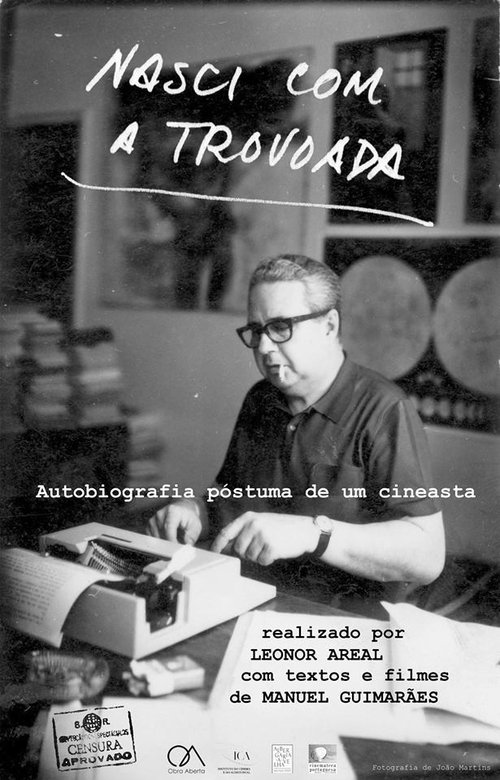
Born with a Thunderstorm
Movie· 2017

My Little Seamstress
Movie· 1959· Rating6.5
Producer
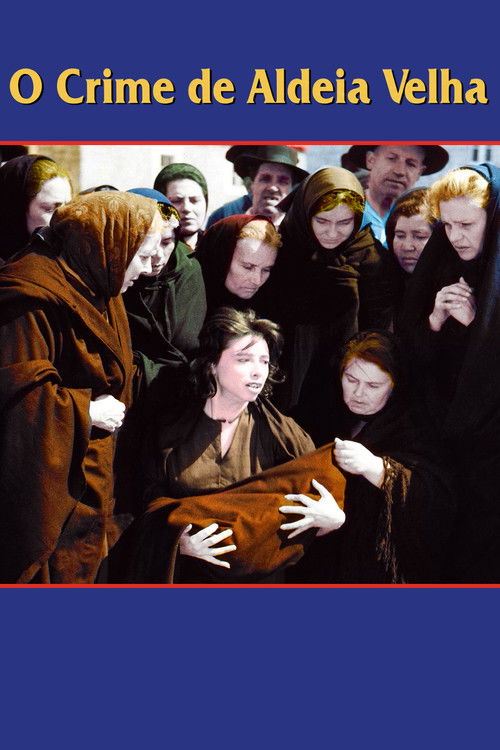
The Crime of Aldeia Velha
Movie· 1964· Rating7.5
Director

Frei Luís de Sousa
Movie· 1950· Rating6.4
Assistant Director
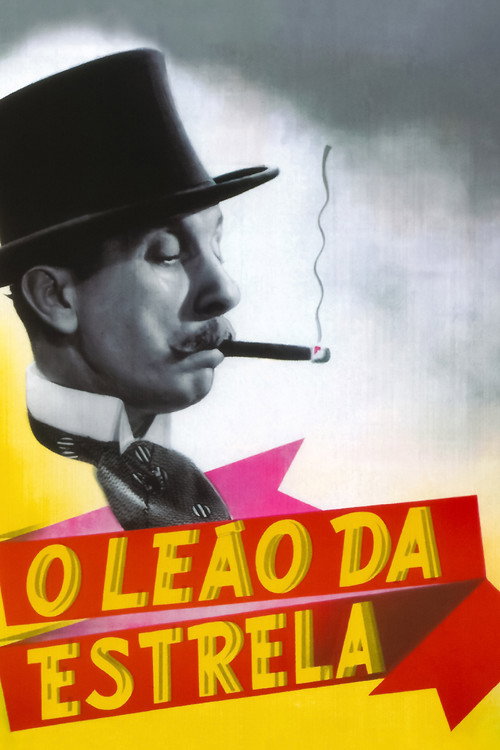
The Lion from Estrela
Movie· 1947· Rating7.3
Assistant Director
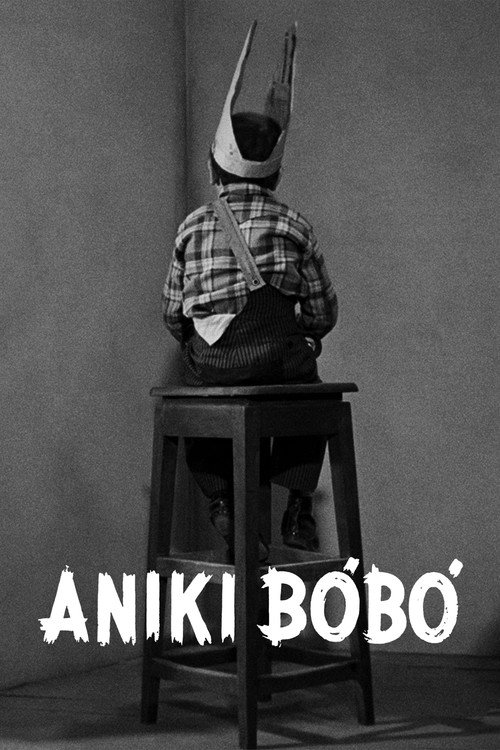
Aniki-Bóbó
Movie· 1942· Rating7.6
Assistant Director
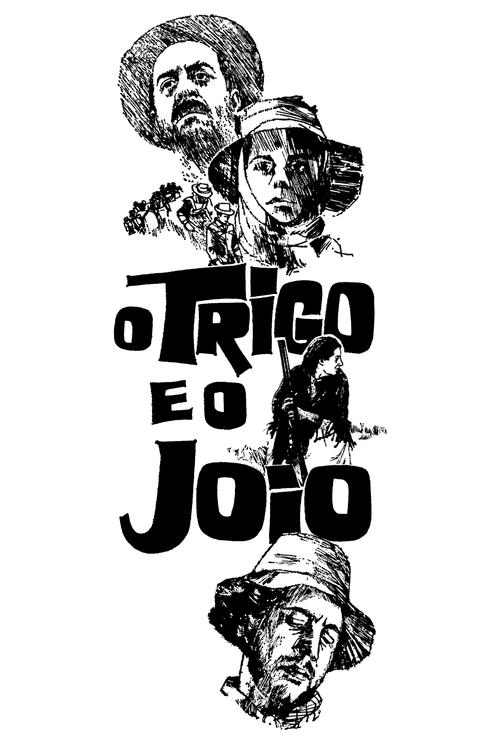
The Wheat and the Tares
Movie· 1965· Rating8.0
Director
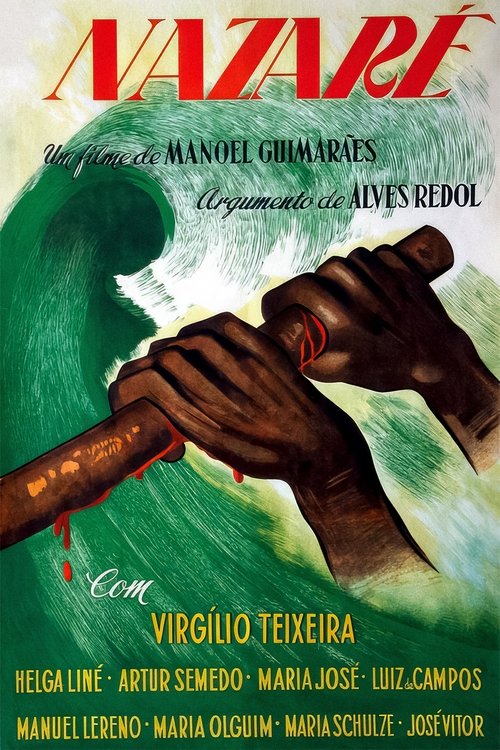
Nazaré
Movie· 1952· Rating6.9
Director
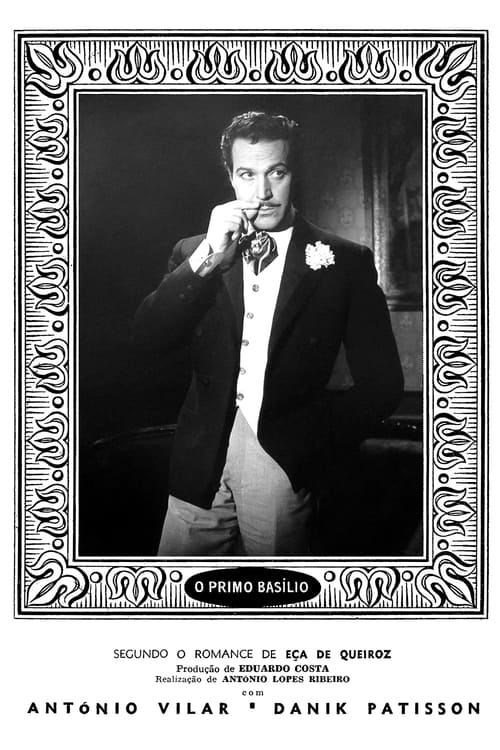
O Primo Basílio
Movie· 1959· Rating6.8
Assistant Director
Prefácio a Vergílio Ferreira
Movie· 1975· Rating8.0
Producer
- No artwork
A Terra e o Homem
Movie· 1969
Director
The Circus
Movie· 1951· Rating7.2
Director
The Return of José do Telhado
Movie· 1949
Writer
Cântico Final
Movie· 1975· Rating8.0
Screenplay

O Ritmo na Vida
Movie· 1968
Director

O Porto, Escola de Artistas
Movie· 1967· Rating6.0
Director

O Desterrado - Vida e Obra de Soares dos Reis
Movie· 1950· Rating7.0
Director
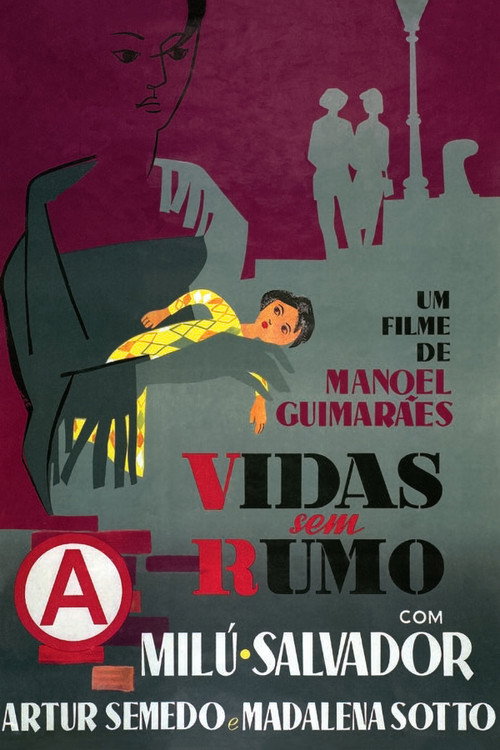
Vidas sem Rumo
Movie· 1956· Rating6.1
Director
Carta a Mestre Dórdio Gomes
Movie· 1971
Director
António Duarte
Movie· 1969· Rating5.0
Editor
Ensino das Belas-Artes
Movie· 1967
Director
Tráfego e Estiva
Movie· 1968· Rating5.0
Editor
Lotação Esgotada
Movie
Director
Resende
Movie· 1970· Rating6.0
Director

Expressos Lisboa - Madrid
Movie· 1969
Director

Artes Gráficas
Movie· 1967
Director
Areia Mar - Mar Areia
Movie· 1973· Rating7.0
Director

Bola ao Centro
Movie· 1947
Assistant Director